Kia Sportage: Declaration of conformity
Kia Sportage - Fifth generation (NQ5) - (2022-2026) - Owner's Manual / Driving your vehicle / Declaration of conformity
The radio frequency components (Front Radar) complies:
For United States and United States territories

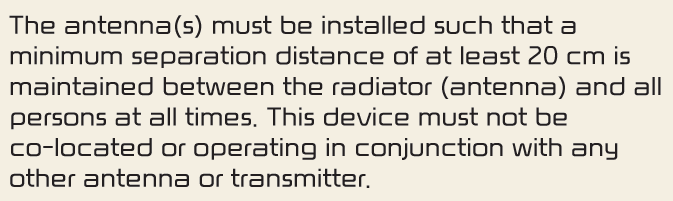
For Canada
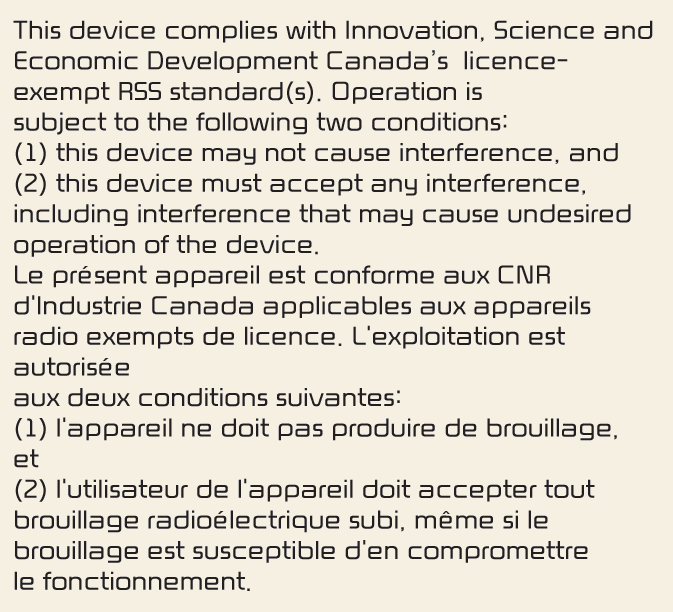
The radio frequency components (Rear Corner Radar) complies:
For United States and United States territories

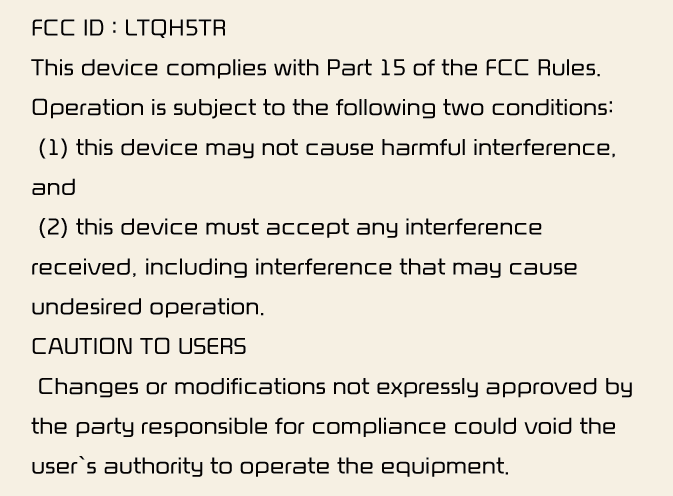
For Canada
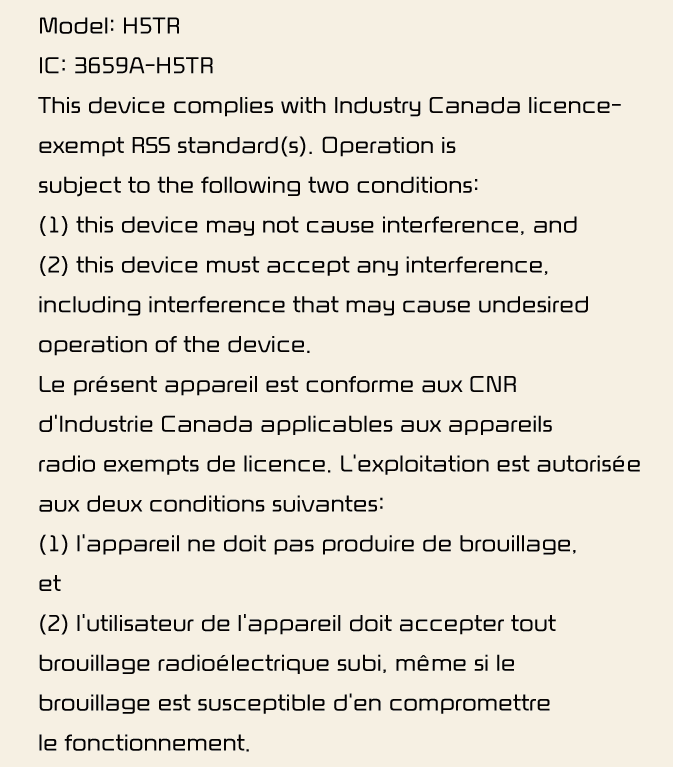
Radio frequency radiation exposure information:
This equipment complies with FCC radiation exposure limits set forth for an uncontrolled environment. This equipment should be installed and operated with minimum distance of 8 in (20 cm) between the radiator (antenna) and your body. This transmitter must not be colocated or operating in conjunction with any other antenna or transmitter.
READ NEXT:
 Hazardous driving conditions
If driving conditions deteriorate due to
poor weather or road conditions, you
should pay even more attention than
usual to your driving.
Hazardous driving conditions
When hazardous driving condit
Driving at night/ Driving in the rain
Driving at night
Because night driving presents more
hazards than driving in the daylight,
here are some important tips to remember:
Slow down and keep more distance
between you and other
SEE MORE:
Operating conditions
The ISG will operate under the following
condition:
The driver's seatbelt is fastened.
The driver's door and hood are closed.
The brake vacuum pressure is adequate.
The battery sensor is activated and
the battery is sufficiently charged.
Outside temperature is not too low or
Air bag non-inflation conditions
Air bags may not deploy in certain
low-speed collisions where the air bag
would not add any benefit beyond the
protection already offered by the seat
belts.
Front air bags are not designed to
inflate in rear collisions, because
occupants are moved backward by
the force of the imp
Content
- Home
- Kia Sportage - Fifth generation (NQ5) - (2022-2026) - Owner's Manual
- Kia Sportage - Second generation (JEKM) (2005-2015) - Body Workshop Manual
- Kia Sportage Third generation (SL) - (2011-2016) - Service and Repair Manual
- Sitemap
- Top articles
